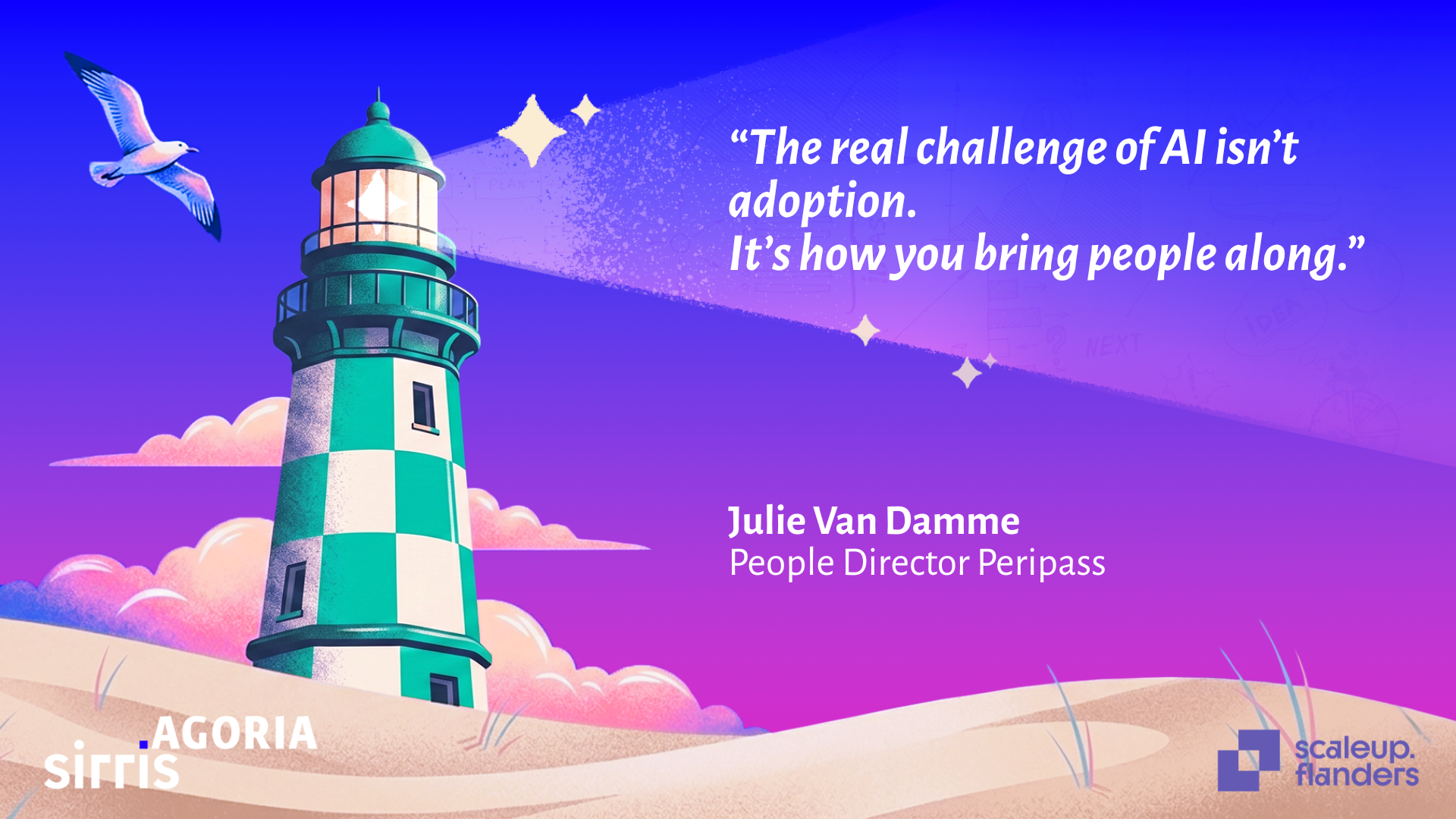
The real challenge of AI isn’t adoption. It’s how you bring people along
“In a scaleup environment, change is constant anyway. AI just accelerates that. So you need people who are naturally open to evolving their role and experimenting with new ways of working.”
The real challenge of AI isn’t adoption. It’s how you bring people along
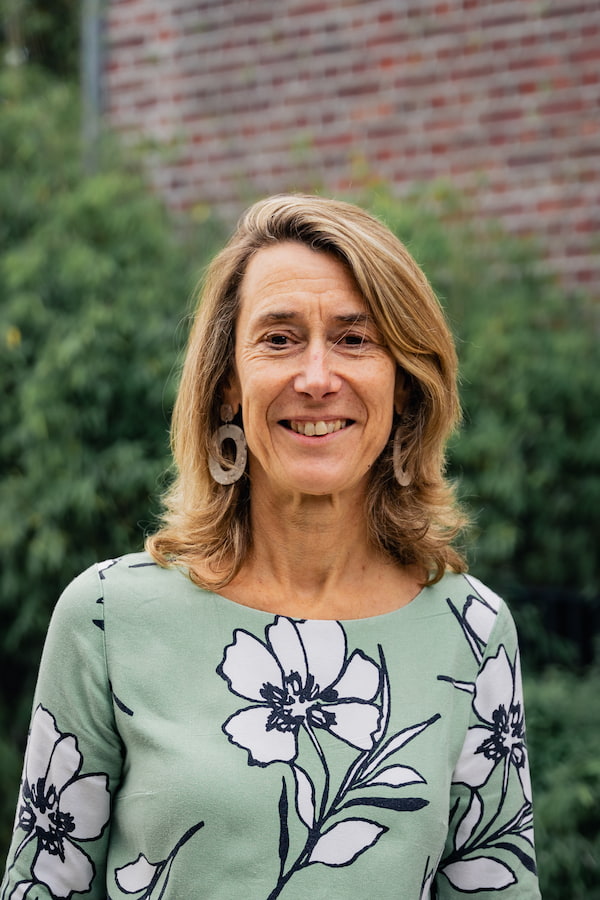
Most discussions around AI in SaaS focus on technology, tools and productivity gains. But according to Julie Van Damme, Head of People at Peripass, the real challenge lies elsewhere:culture, hiring and how organisations adapt to continuous change.
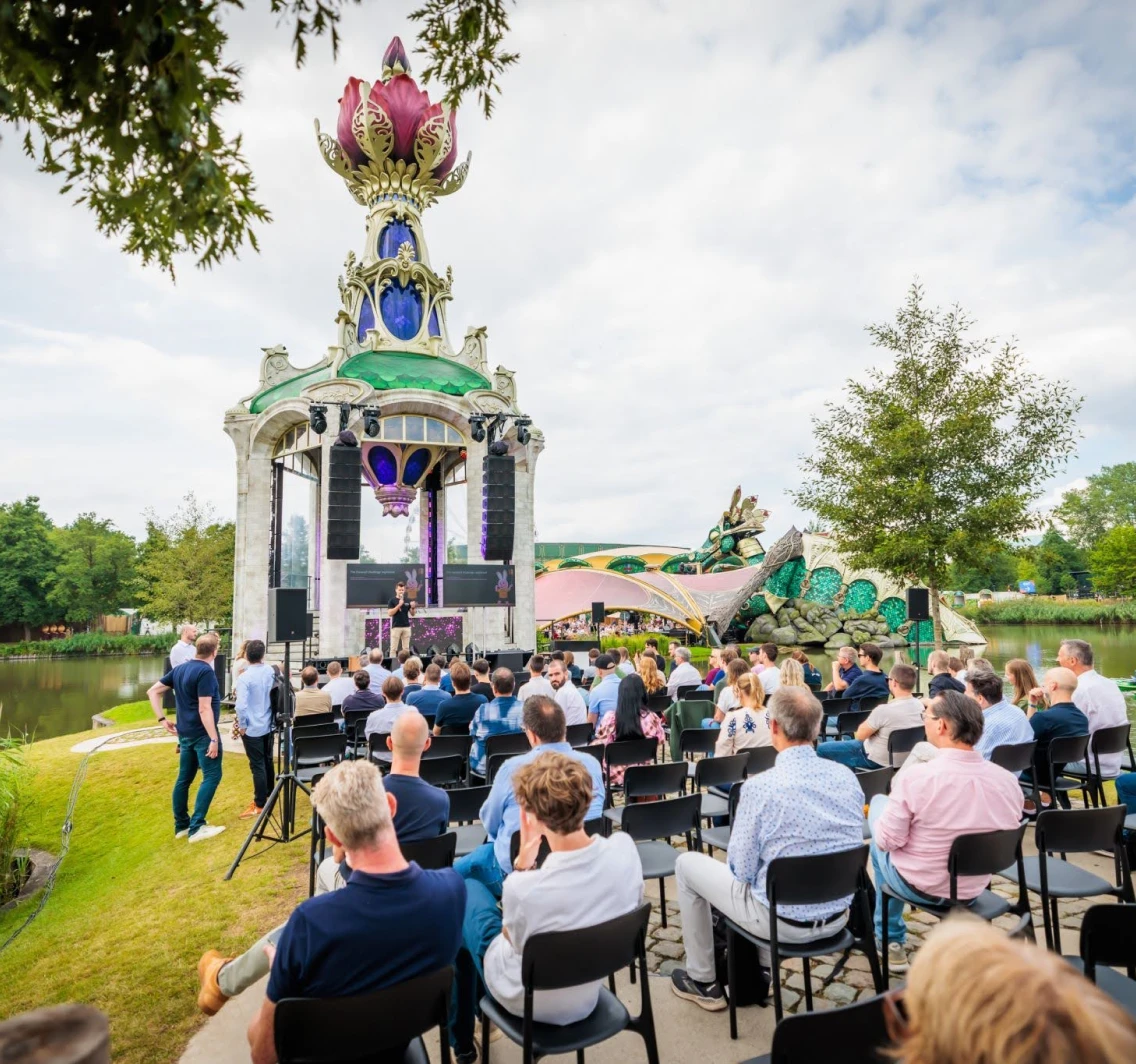
At the AI Summer School this September, she will join a panel discussion on resistance to AI-driven change and what it takes to build organisations that can keep up.
Where do you see the biggest resistance to AI inside organisations?
Julie Van Damme:
“I think resistance is often overestimated, at least in fast-scaling companies.In our case, we don’t see strong resistance as such.”
“What we do see is that people need to be brought along. Not everyone immediately sees how their role changes when AI comes in. Work that used to feel right or familiar can suddenly feel different because the tools evolve so quickly.”
“There’s also a practical side. If people use AI tools, the expectation is that productivity increases. That creates new questions: how do you measure that impact, and is it really delivering value?”
“So it’s less about resistance, and more about helping people adapt to a new way of working.”
What have you learned about bringing teams along in that change?
Julie Van Damme:
“For me, it starts even before adoption. It starts with hiring.”
“At Peripass, we believe that if you hire the right people, who are comfortable with change. Then resistance becomes much lower by default.”
“In a scaleup environment, change is constant anyway. AI just accelerates that. So you need people who are naturally open to evolving their role and experimenting with new ways of working.”
“At the same time, you still need to guide people. You need to explain why certain tools are used, how they fit into your tech stack, and what good usage looks like. Otherwise, people will make their own choices.”
Where do teams struggle most in practice?
Julie Van Damme:
“One challenge is tooling. People often have strong preferences for certain tools, and if the company makes different choices, you need to explain why.”
“Another challenge is what we call ‘shadowAI’, people using tools outside the company’s setup because they prefer them.You need to find a balance between giving autonomy and keeping things under control.”
“And then there’s a more fundamental question that comes up: if AI makes someone ten times more productive, who benefits from that? Is it the individual, the company, or the customer? That’s a discussion many organisations are still figuring out.”
What does responsible AI use look like in practice today?
Julie Van Damme:
“To be honest, it’s still evolving.”
“Right now, our focus is on encouraging adoption and experimentation. We want people to think AI-first and explore what’s possible. If you restrict usage too early, for example by limiting access or credits, you risk slowing down that learning process.”
“But at the same time, there are new questions emerging. AI usage has a cost, and that cost can increase quickly.Suddenly, an employee doesn’t just have a salary, they also generate AI-related costs. That changes how you think about productivity and efficiency.”
“I think the next step for many companies will be finding the right balance: enabling experimentation while ensuring responsible and conscious use.”
How is AI changing what customers expect from SaaS products?
Julie Van Damme:
“AI is raising expectations significantly.”
“Things that used to be complex are becoming much easier to deliver. For example, adding new languages to a product used to require a clear business case. Today, it’s much more accessible, which means customers will simply expect it.”
“That changes the way you think about product development. Features that used to be differentiators can quickly become table stakes. Customers will ask: ‘why isn’t this possible yet?’”
“So SaaS companies will need to adapt continuously, not just in how they build, but also in how they prioritise and deliver value.”
Why does a programme like the AI Summer School matter right now?
Julie Van Damme:
“Because there is no playbook.”
“AI is not just about tools. It changes how you hire, how you organise, how you measure performance and how you build culture.”
“And most companies are still figuring that out in realtime.”
“That’s why it’s valuable to learn from others who are going through the same transition and to have honest conversations about what works, and what doesn’t.”
AI Summer School takes place from 9–11 September inOstend and brings together a curated group of founders and senior leaders toexplore how AI is reshaping organisations, teams and business models. Speakers include operators from companies such as Collibra, Tekst.ai, Nexus Agents, ML6,TechWolf and many others.
👉 Interested? Check https://www.scaleupflanders.com/services/ai-summer-school-2026
Is your tech company ready to scale up?Learn from experienced speakers and peers
Read next
View all